Moving layer by layer, we search for the point where the true nature of the task becomes visible. Our architecture takes form in concept and becomes reality in the details.
For us, architecture is a responsible, timeless relationship between human and place: our way of thinking is MÁS.
Our design method starts from the center of the problem, not from forms and aesthetic preferences. We are convinced that every architectural situation has an essential state, which only becomes recognizable if we peel away from it everything that has accumulated over time: fashion, habit, formal automatism.
For us, design begins with asking questions. The progressive moments of architecture are born from the redefinition of problems.
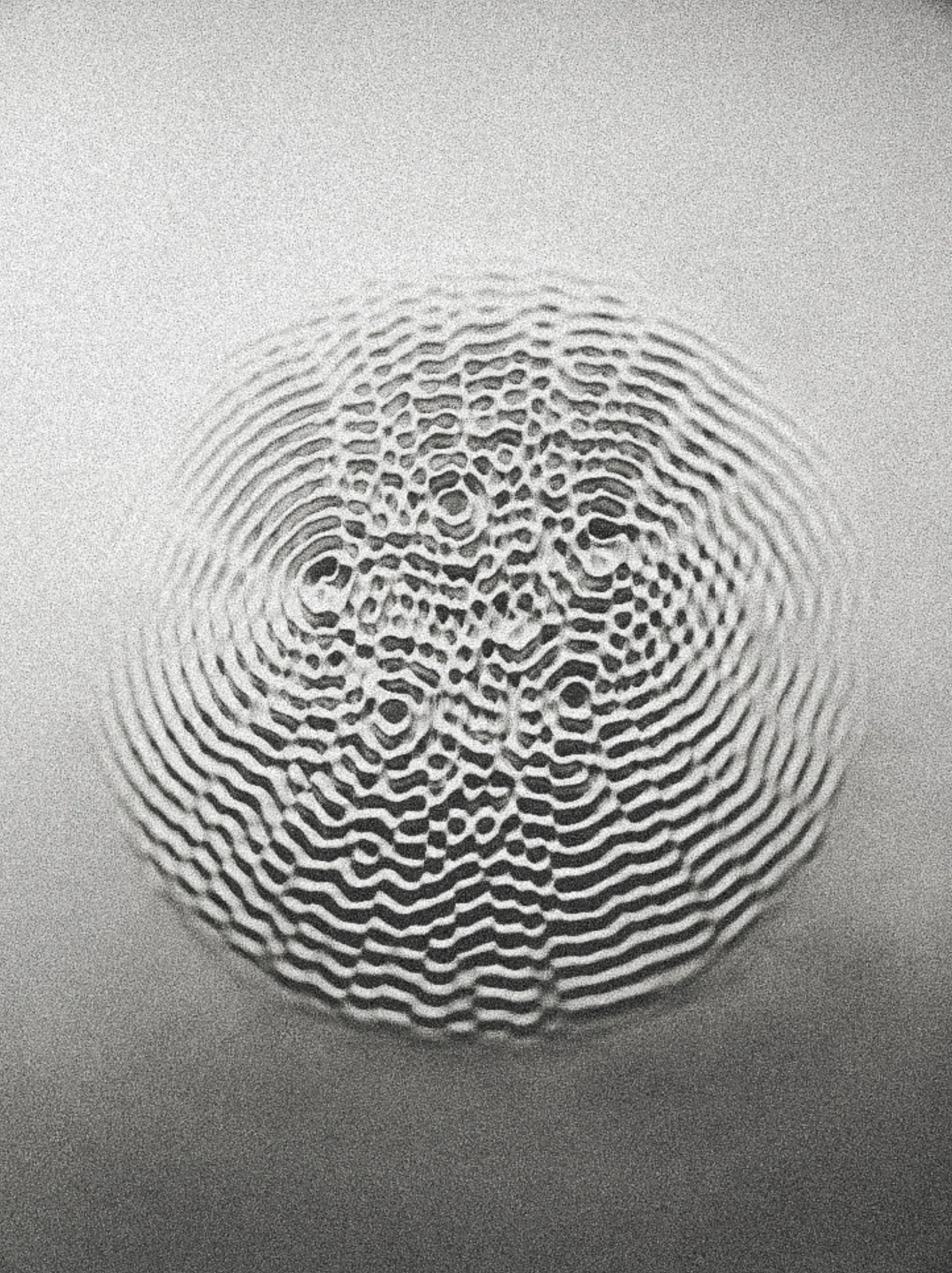
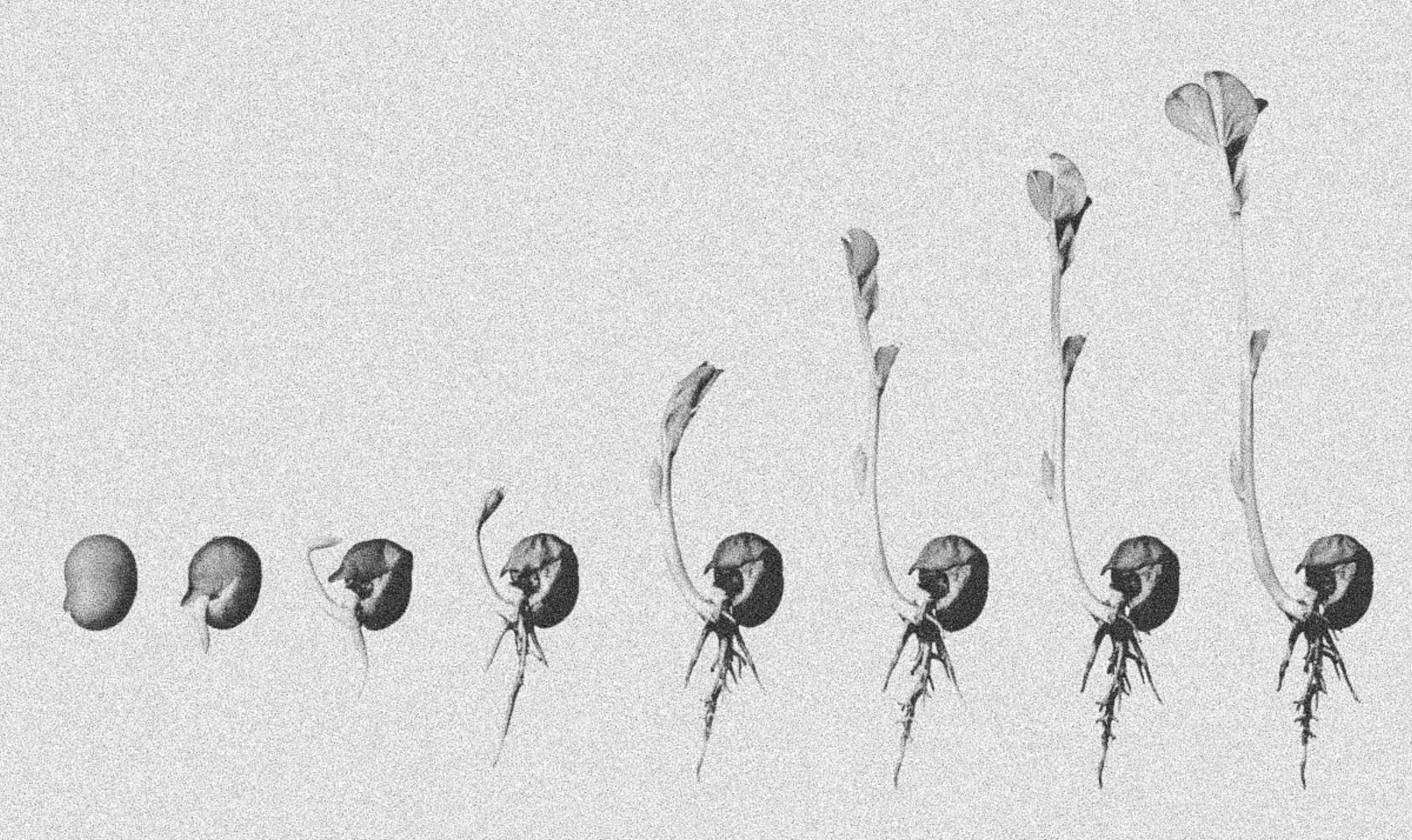
We understand architectural design as a decision-making process, not as the creation of form. Structural, energy-related, technological, aesthetic, and spatial questions are not successive design phases, but simultaneously present lines of force.
Our task is to create a structure that establishes hierarchy between them: design is therefore a consciously constructed strategic process — selection and weighting along a predetermined direction. The formulation of this is the architectural concept.
In this understanding, the rules established by the concept are not limitations, but tools. They do not narrow the space, but concentrate it.
The concept is not an atmospheric starting point, but a structuring principle that guides the entire project like an invisible hand. In this way, architectural decisions are not occasional reactions, but the consequences of a consistently constructed system.
Form, material, proportion, and detail derive from this system — not as independent aesthetic gestures, but as necessary results.
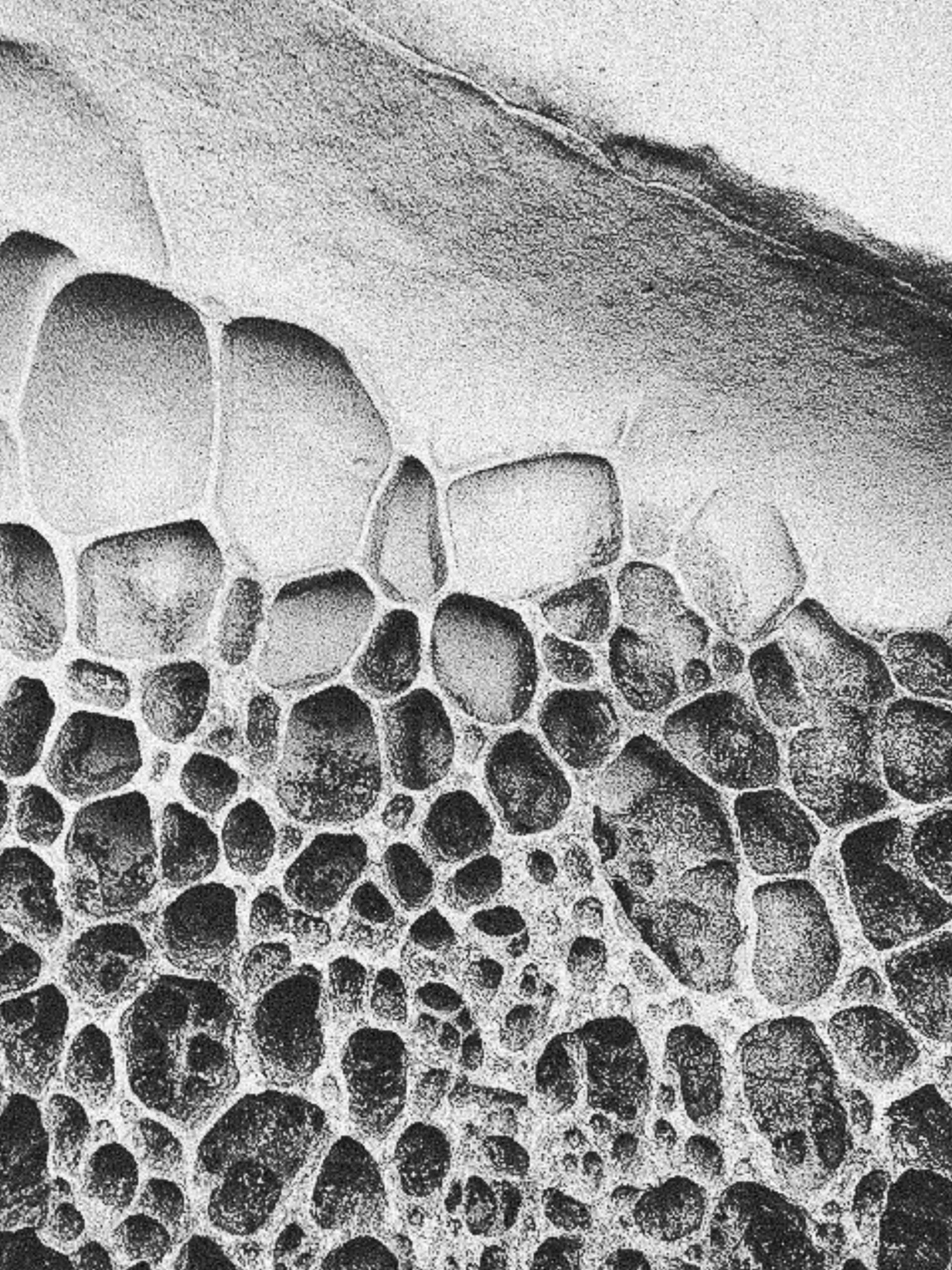
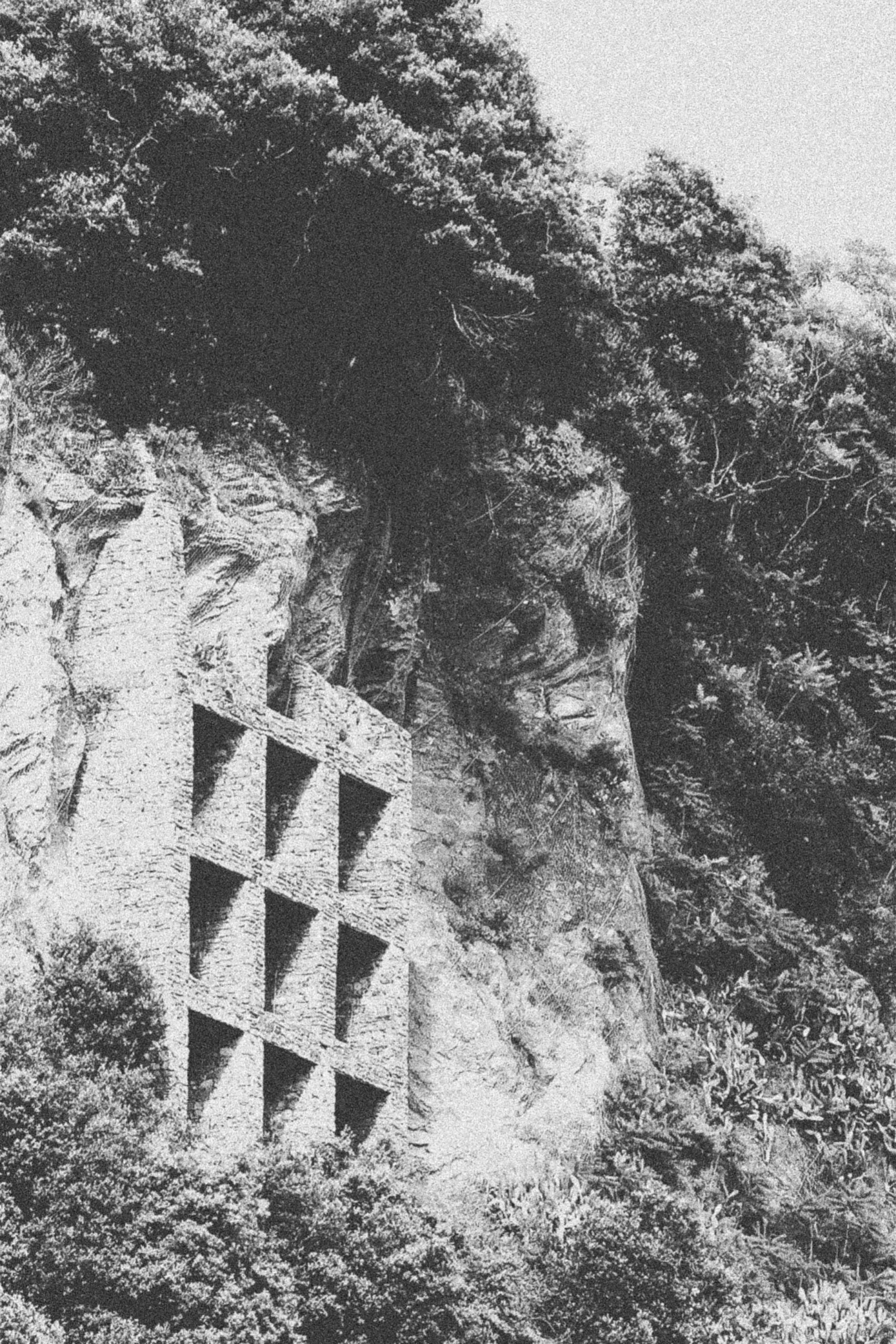
Architecture becomes art when the balance between necessity and freedom comes into being.
Every project of ours is shaped decisively by our way of thinking about time. Our buildings strive for durability — both in a physical and cultural sense.
The past is a layer of experience from which we learn; the present is responsibility; and the future is a consequence that must be anticipated.
Landscape, light, topography, weather, historical layers, and human presence together form the field in which architecture comes into being. We do not place an object in the environment, but intervene in an already existing structure.
The building comes into being in order to create a relationship between people and environment. The atmosphere created in this way is a spatial and sensory consequence, not an aesthetic end in itself.
Designing space is designing experiences, but not as spectacle — rather as a subtle, lasting quality of people’s everyday use.