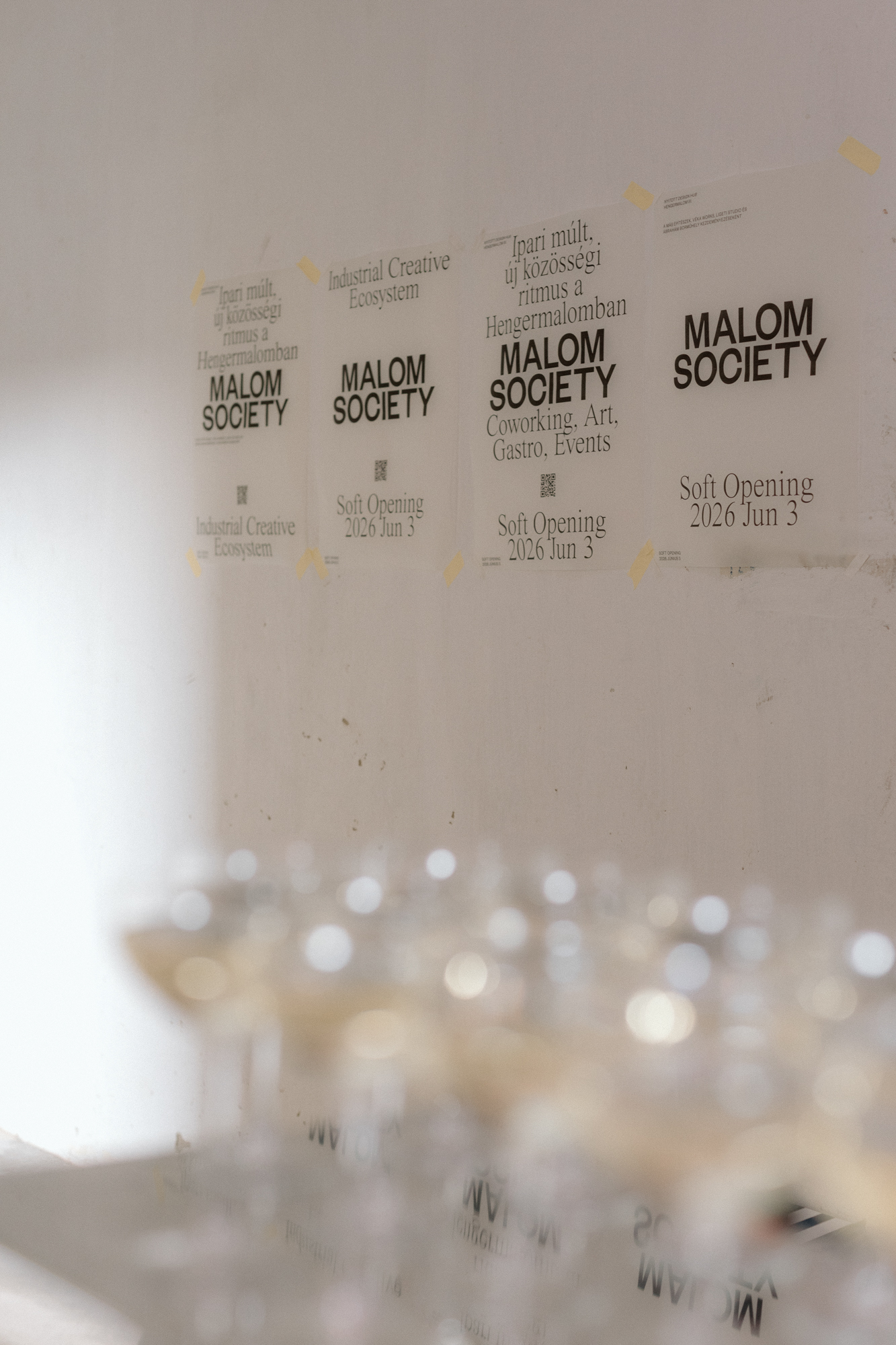
MALOM SOCIETY – Engineering and Creative Coworking Space
04.06.2026
04.06.2026
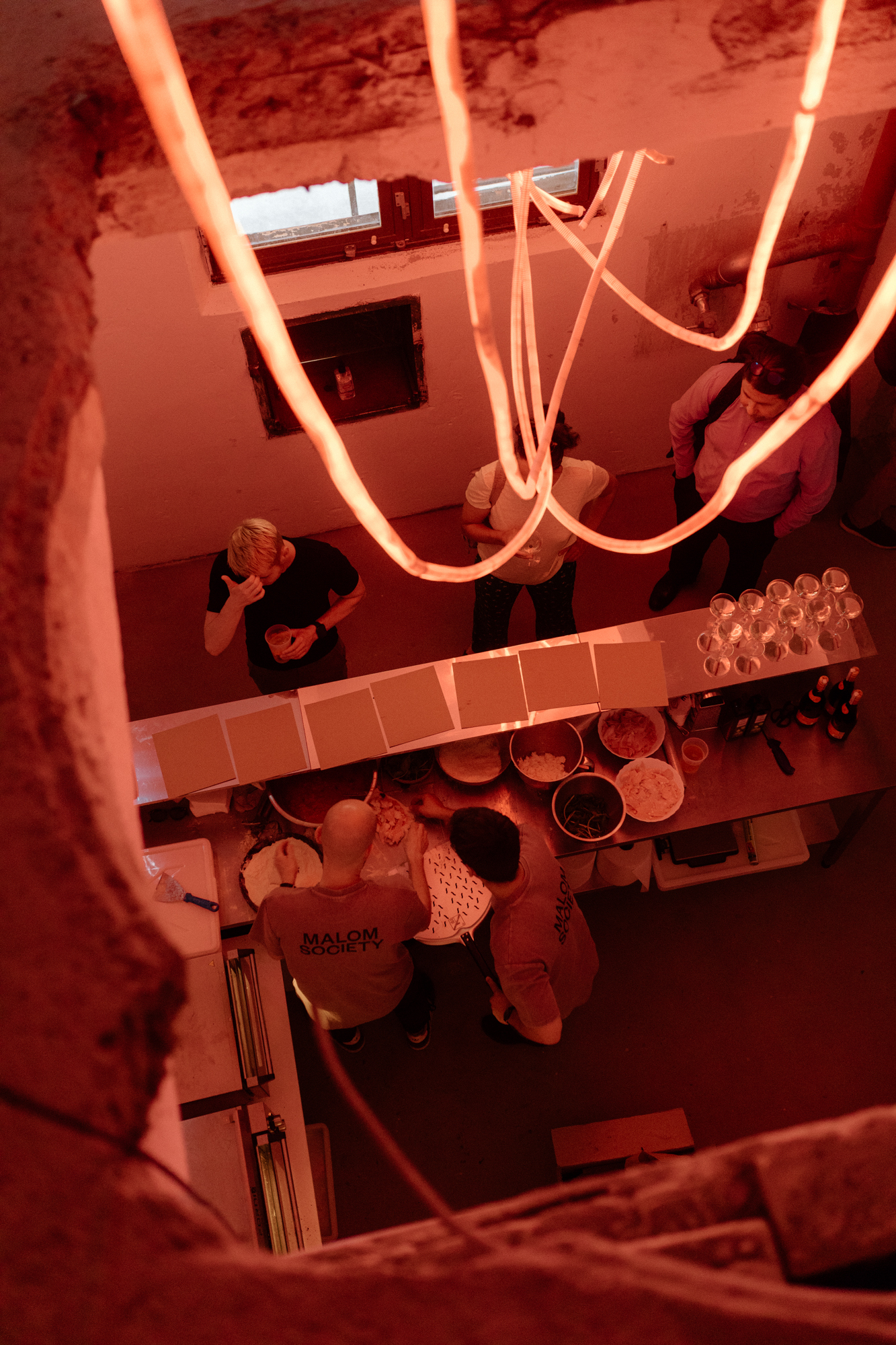
On 4 June 2026, MALOM SOCIETY opened its doors with a soft opening event. Initiated by MÁS Építészek, this engineering and creative coworking environment was created in collaboration with Ligeti Studio, Veka Office and Ábrahám Borműhely.
Agreement Signed for the Design of the Pécs Aquapark 22.12.2025
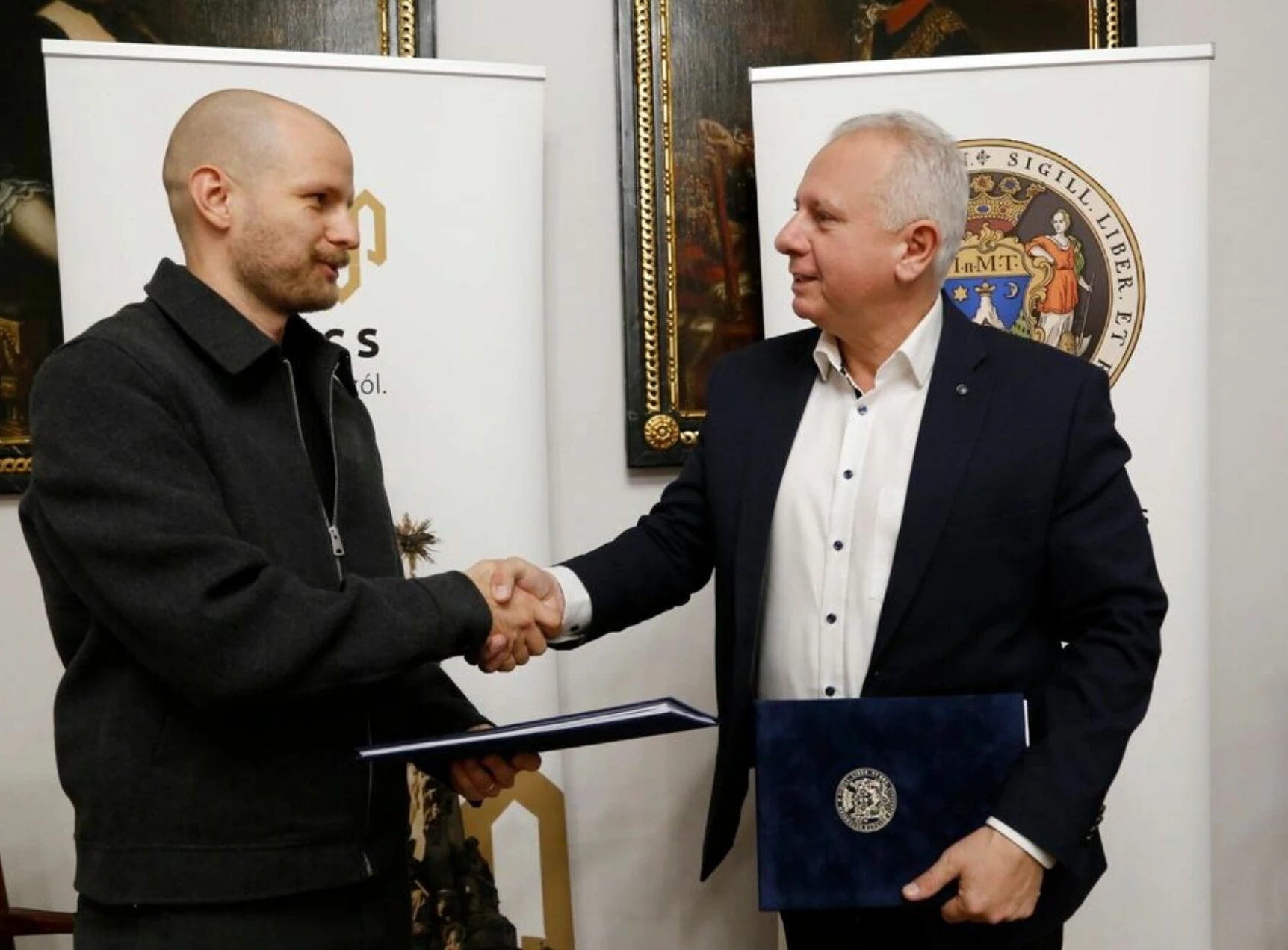
Last week, the contract for the design of the Pécs Aquapark and Sports Swimming Pool was signed. Attila Péterffy, Mayor of Pécs, concluded the agreement with a consortium of designers from MÁS Építészek, Perényi Studio and Archikon Architects for the design of Pécs’s first 50-metre indoor swimming pool.
Tornác – MÁS Építészek and VÉKA Office’s Proposal for the Cserhátliget Primary School Design Competition in Penc 21.10.2025
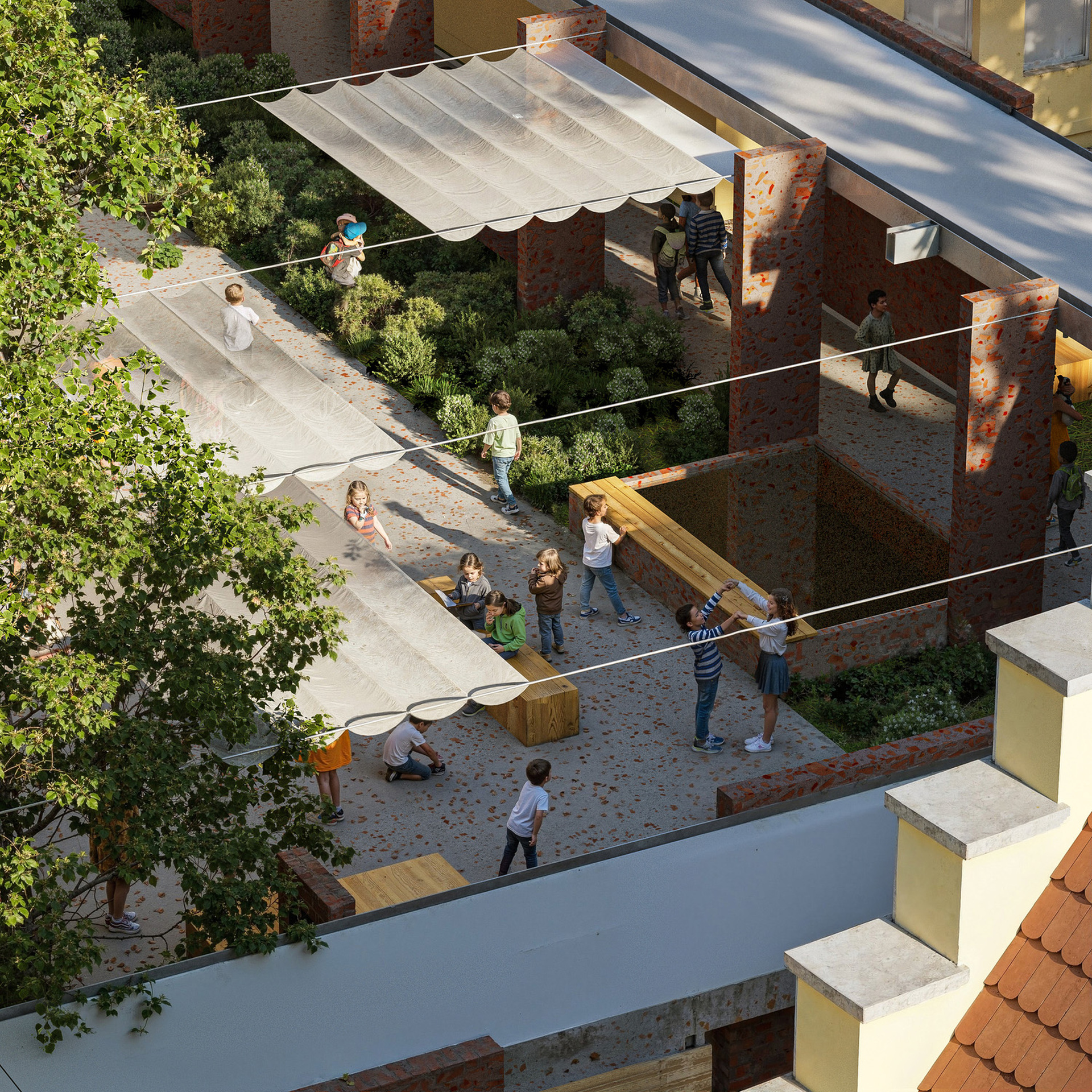
The aim of the concept is to preserve, as much as possible, the existing building elements of technical or aesthetic value, as well as the established courtyard structure and vegetation.
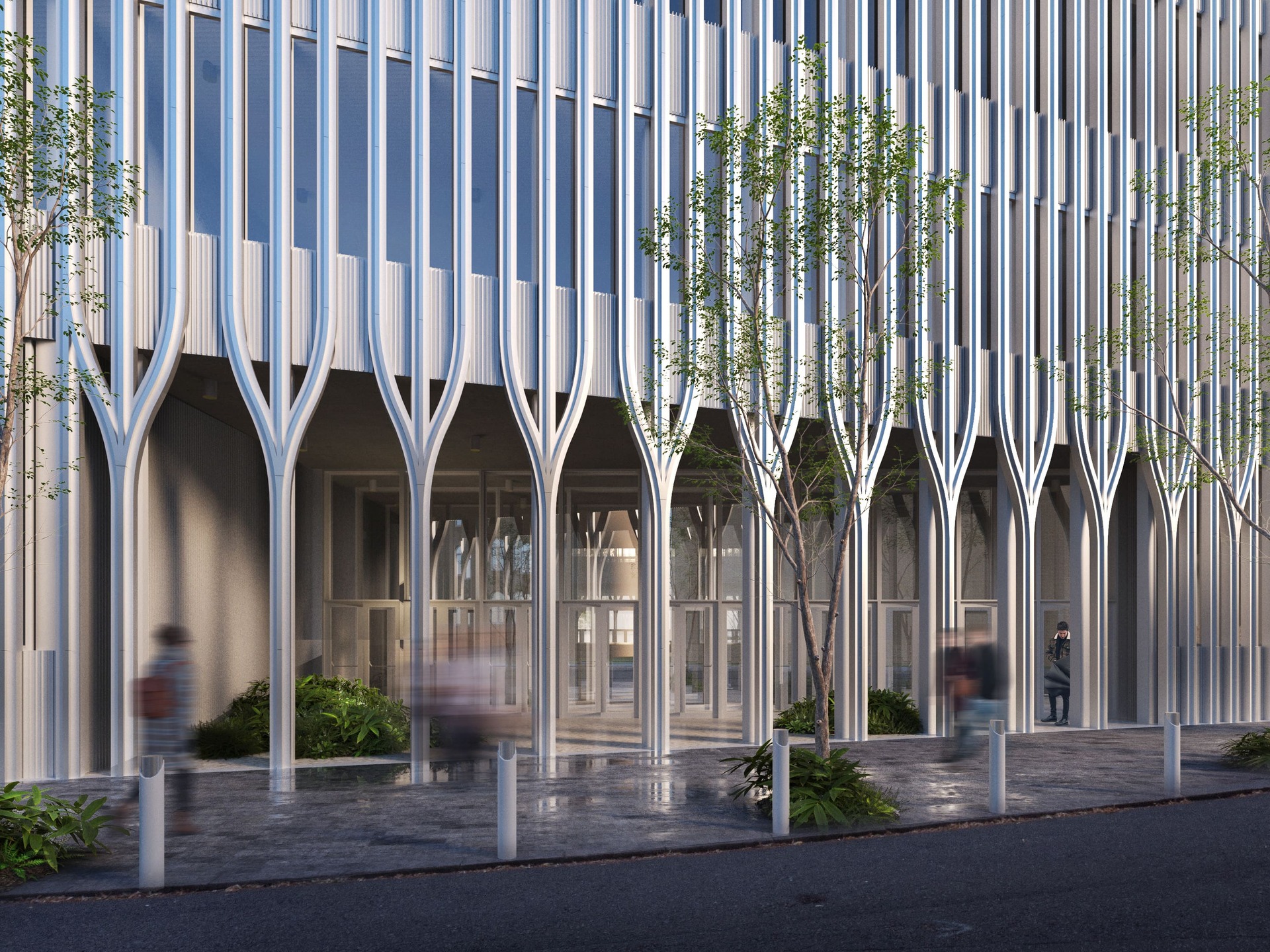
HANGING GARDEN – MÁS Építészek’s Proposal for the New Building Complex of Károli Gáspár University 22.12.2025
MÁS Építészek’s competition proposal for the campus of Károli Gáspár University is based on three core principles: the preservation of built heritage, sustainability and contemporary spatial use. The design takes as its starting point the urban character of Markusovszky Square and Üllői Road, as well as a transhistorical reinterpretation of the existing tobacco factory building. The aim of the proposal is to reinterpret the spirit of classical campuses through a complex yet legible spatial concept, approached from a contemporary perspective.
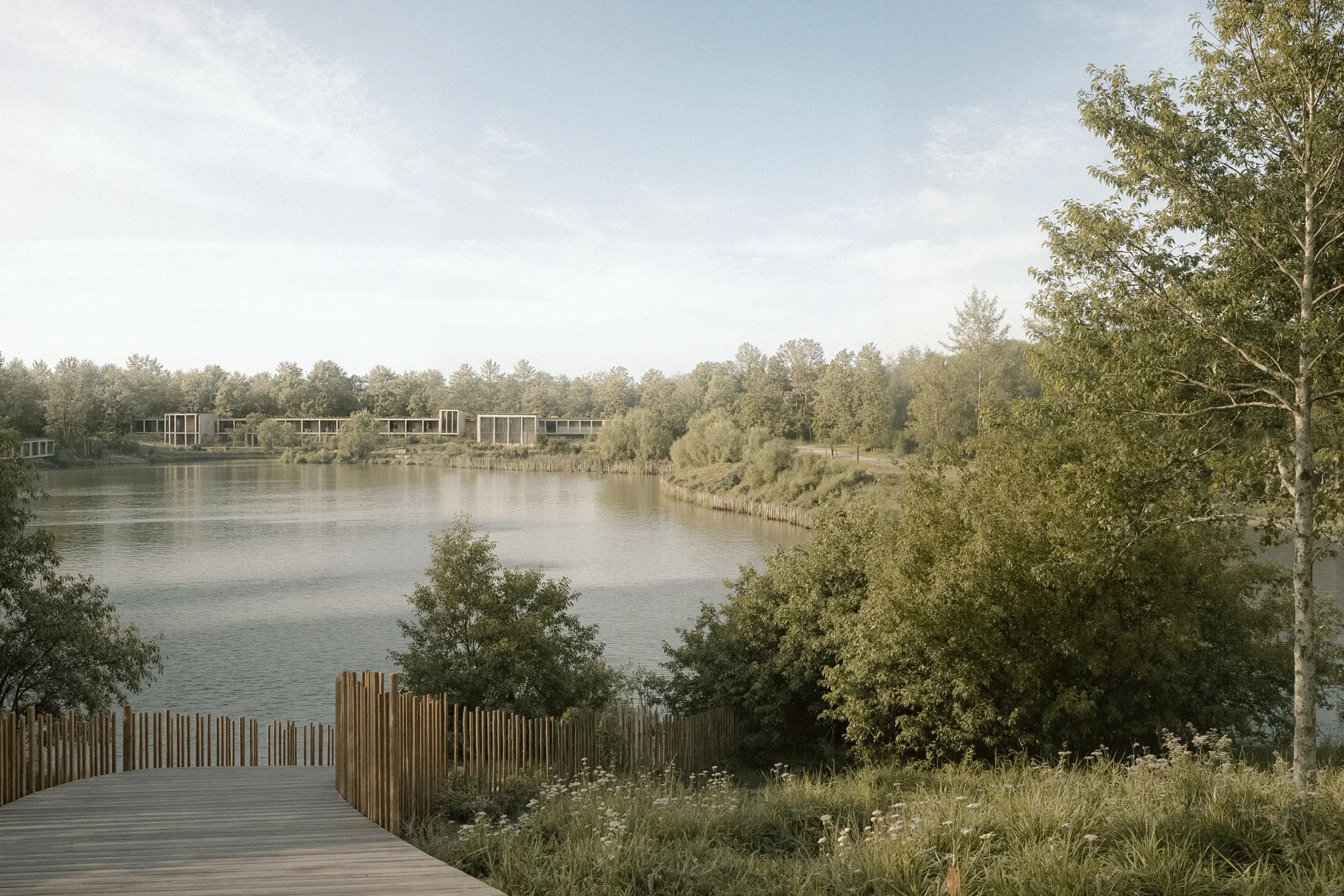
Eco-Conscious Design as a Spatial Organising Force
22.12.2025
For MÁS Építészek, green architecture and eco-conscious design are not separate layers, but the foundation of all our work. In our “Hanging Garden” proposal for the new building complex of Károli Gáspár University, we started from the preservation of existing values and the strengthening of green surfaces. For us, the hanging gardens and rooftop community spaces are not merely aesthetic elements, but active tools for shaping the microclimate. Passive operation, natural ventilation and the use of energy-generating surfaces are, in our approach, evident architectural responses derived from the specific conditions of the site.